FCL vs. LCL Freight Shipping: Complete Comparison

If you ship goods internationally or manage supply chains for a growing business, you have likely come across the terms FCL and LCL shipping. These two freight shipping methods form the backbone of global ocean freight and container shipping, and choosing the right one can have a major impact on your shipping costs, transit times, inventory costs, and overall logistics efficiency.
We will break down what FCL and LCL freight shipping really mean, how each option works, their differences, pros and cons, and how to make the right choice based on your shipment size, cargo volume, budget, and timelines. Whether you are shipping goods occasionally or managing complex international shipping operations on a day-to-day basis, this article will help you make informed, confident decisions.
Understanding Container Shipping in Global Trade
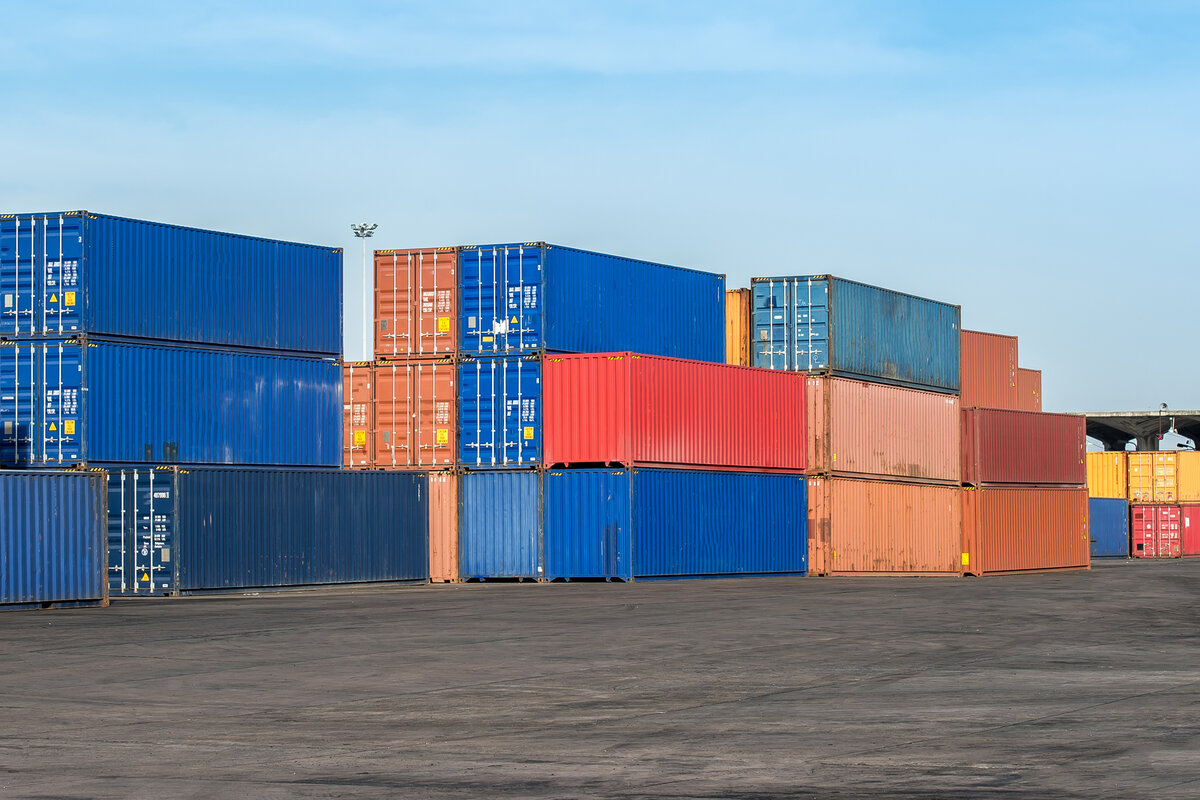
Container shipping is the foundation of modern global trade. Most international shipping moves inside standardized shipping container types, making it easier to transport cargo across oceans, ports, and inland routes. These containers allow goods to move efficiently through shipping routes, ports, and customs clearance processes with minimal handling.
When booking ocean freight, businesses generally get to choose between two options:
- Full Container Load (FCL), and
- Less than Container Load (LCL).
The difference comes down to how much cargo you are shipping and how the container is used. According to UNCTAD's seaborne trade data, maritime transport accounts for roughly 80 % of the volume of global trade, illustrating just how central container shipping is to international supply chains.
What Is FCL (Full Container Load) Shipping?
FCL, short for "Full-Container Load", is a shipping method where your cargo occupies an entire shipping container. Even if your cargo does not fill the container completely, you are still paying for the exclusive use of that container from origin to destination. FCL shipments are commonly used for larger shipment volumes or high-value cargo where control, security, and predictable transit times matter most.
How FCL Shipping Works
FCL is widely used in international shipping service operations involving manufacturing, wholesale distribution, and time-sensitive freight shipping.
- Exclusive Use: Your cargo fills the container, or you pay for the full container space, with no other companies' goods sharing it.
- Sealed & Secure: The container is sealed at the origin location or warehouse and stays sealed through the full container shipping journey until it reaches the consignee, minimizing handling and thus, the risk of delays, damage, and loss.
- Flat Rate: You pay a fixed cost for the container, regardless of how full it is.
What Is LCL (Less Than Container Load) Freight Shipping?
LCL freight, or "Less than Container Load," is a shipping method used when your shipment does not require a full container. Instead, your cargo shares container space with other LCL shipments heading in the same direction, making it cost-effective for smaller shipments by consolidating freight. LCL is popular with smaller businesses, startups, or companies shipping lower cargo volume or smaller shipment sizes.
How LCL Shipping Works
LCL shipments go through a couple of steps:
- Consolidation: Your smaller shipment is sent to a consolidation warehouse, where it's packed with other LCL cargo into one container by freight forwarders.
- Shared Space: Multiple shippers' goods are combined. Each shipment is measured, and you pay based on your share of the container space (the space your cargo occupies).
- Deconsolidation: At the destination, the container is unpacked, and individual shipments are distributed to their respective consignees. This extra step affects transit time and shipment cost.
FCL vs. LCL Shipping: Key Differences Explained
Understanding the core differences between FCL and LCL freight shipping helps clarify which option fits your logistics strategies.
1. Shipment Size and Cargo Volume
.jpg)
FCL is best for large shipment sizes or high shipping volume. If your cargo volume approaches or exceeds around 12–15 cubic metres, FCL often becomes more cost-effective. LCL is designed for smaller shipments. If your shipping volume is low and you only need a few cubic meters of space, LCL makes more sense.
2. Cost Structure
FCL shipping costs are based on the container rate, regardless of how full the container is. LCL costs are calculated per cubic meter, along with consolidation, handling, and documentation fees. This leads directly into the LCL vs. FCL cost comparison, which we will explore in more detail later.
3. Transit Time and Transportation Times
FCL shipping typically offers faster and more predictable transit times. The container moves directly from origin to destination without consolidation or deconsolidation delays. LCL transit times are often longer due to consolidation at the origin and breakdown at the destination. Transportation times can also vary depending on how quickly freight forwarders can group compatible shipments.
4. Handling and Risk
FCL involves less handling, which reduces the risk of damage, especially for fragile goods or high-value cargo. LCL involves multiple handling points, increasing exposure to potential delays or damage if packing is not done properly.
Pros and Cons of Both Freight Shipping Methods
Before looking at the pros and cons of FCL and LCL freight shipping, it’s worth noting that neither option is universally better than the other. Each serves a different purpose within freight shipping and supply chains, so it falls down to the best-use cases of both freight options.
The right choice depends on practical factors such as shipment size and volume, cargo value and fragility, delivery timelines, budget constraints, risk tolerance, and how much flexibility or control you need over your shipment.
Understanding the trade-offs of both options makes it easier to choose the method that best supports your shipping needs and business goals.
FCL Shipping
Advantages
- Faster Transit: FCL also simplifies customs clearance. With one packing list and one consignee, documentation is more straightforward, which can speed up international shipping processes.
- Greater Security: Higher logistics efficiency and greater control over shipping operations. Because the container is dedicated to one shipper, there is less risk of contamination, damage, or loss. Sealed containers reduce tampering risks, making FCL ideal for high-value and fragile cargo.
- Predictable Costs: Known flat fee for the container.
Disadvantages
- Higher Cost for Low Volume: The biggest drawback of FCL is the cost when shipment volume is low. Paying for unused container space can drive up shipping costs unnecessarily.
- More Complex: FCL may also require more planning upfront, especially for smaller businesses that do not ship consistently.
LCL Shipping
Advantages
- Cost Savings: More affordable for low-volume shipments, as LCL freight allows businesses to ship smaller quantities without waiting to accumulate enough goods to fill a container, which can reduce inventory costs and improve cash flow.
- Flexibility: Ideal for companies entering international shipping or testing new markets and products, or when you need to ship on demand.
- Reliability: Can offer better capacity and reliability during times of container shortages.
Disadvantages
- Transit Time: LCL shipments generally take longer than FCL due to consolidation and deconsolidation. Customs clearance may also take longer since multiple shipments are involved.
- Handling: More handling points (consolidation, deconsolidation) can increase risk and potential for extra charges. There is also a higher risk of damage if goods are not properly packaged, as cargo from multiple shippers shares the same container.
- Variable Cost: LCL freight cost is calculated based on the greater of your cargo's weight or volume (W/M), making it cost-effective for smaller shipments but often more complex and expensive per unit than FCL, with total costs depending heavily on route, handling, and destination fees.
LCL vs. FCL Freight Cost Comparison
When comparing FCL vs. LCL from a cost perspective, there is no one-size-fits-all answer. The right choice depends on shipment size, cargo type, and shipping routes.
- LCL costs are calculated per metric tons or cubic meters (CBM), based on the greater of your cargo's weight or volume (W/M) + handling, documentation, and terminal charges. These fees add up quickly as shipment volume increases.
- FCL costs are a flat rate per container. Once your cargo reaches a certain size, FCL becomes more economical, even if the container is not completely full.
A general rule is that shipments over 12–15 cubic meters often benefit from FCL. However, freight forwarders can provide precise shipment cost comparisons based on real-time market rates.
Transit Time Considerations
Transit time plays a major role in choosing between LCL and FCL. Faster transit times reduce inventory holding costs and improve supply chain reliability. FCL usually offers shorter and more predictable transit times because the container moves directly through the supply chain. LCL transit times can vary depending on consolidation schedules, port congestion, and customs clearance complexity.
Customs Clearance and Documentation
Customs clearance is a critical part of international shipping. FCL shipments generally face fewer complications because documentation applies to a single shipper and consignee. LCL shipments require additional coordination since multiple cargo owners are involved. Any issue with one shipment can delay the entire container. Accurate documentation, including a detailed packing list, is essential for both shipping methods.
When Should You Choose FCL Shipping?
FCL shipping is the right choice when:
- Your shipment size is large
- Your cargo is high-value, or
- You need faster, more reliable transportation times.
It is also ideal for fragile goods, regulated products, or shipments that require strict safety regulations and insurance coverage.
When Is LCL Shipping the Better Option?
Opting for LCL works best when:
- Shipment volume is small
- Budgets are tight, or
- You need flexibility without committing to a full container.
It works well for startups, seasonal shipments, and businesses experimenting with new shipping routes or markets.
How UNIVAL Logistics Supports Smarter Shipping Decisions
Choosing between FCL vs. LCL shipping is easier when you have a logistics partner you can trust. UNIVAL Logistics is a global logistics powerhouse that delivers high-value consignments safely, reliably, and affordably and is here to help ensure you choose the most effective solution for your supply chains.
- Specialized Shipping: UNIVAL offers industry-specific shipping expertise for industries handling valuable, sensitive cargo such as jewelry, artwork, electronics, and medical equipment.
- Tailored Solutions: With multiple secure shipping options tailored to your needs, UNIVAL evaluates your shipping volume, cargo type, destination, and timeline + air freight, ocean freight, and ground transportation to find the best balance of shipment cost, route, transit time, and reliability for optimized logistics efficiency.
- Secure & Timely Delivery: Our door-to-door shipping solutions eliminate the burden of managing your own fleet while maintaining full-value insurance coverage for domestic and international shipments and compliance with safety regulations.
- Cost-Effective: UNIVAL also helps reduce shipping costs by consolidating shipments when appropriate and offering competitive discount rates without compromising security.
- Advanced Systems: With API integrations for e-commerce and 24/7 tracking offering real-time visibility, we ensure peace of mind from pickup to safe, timely delivery, whether you are managing domestic or international shipping operations.
FCL vs. LCL Shipping: Making the Right Choice for Your Cargo
The decision between FCL vs. LCL freight comes down to understanding your shipment size, cargo volume, transit time needs, and cost priorities. Both options play an essential role in global trade and modern supply chains. FCL offers speed, security, and predictability for larger-volume or high-value shipments, while LCL provides flexibility and cost savings for smaller shipments and growing businesses.
By working with experienced freight forwarders and trusted logistics service providers like UNIVAL Logistics, you can confidently choose the best shipping method for your cargo and keep your shipping operations efficient, secure, and cost-effective without compromising.
Get in touch with us when you need a logistic partner you can count on for peace of mind.
Latest blogs

.jpg)
Dimensional (DIM) Weight in Shipping: What It Is & How It’s Calculated
Wed, Jan 14th 2026, 07:11
 Continue Reading →
Shipping Gold Safely: Packaging, Insurance & Best Practices
Mon, Jan 12th 2026, 03:00
 Continue Reading →

Categories
defaultCall Us Today
Get premium full-value shipping insurance at affordable rates and be sure your parcels are 100% safe during transport. Work with a logistics powerhouse - get in touch with us today.
213-368-3444
Contact Us
Want a peace of mind when shipping valuable packages? Our experts are happy to ansver any questions you may have and provide you with a tailored soulution that meets your unique shipping needs. Email us today and ship your luxury items with ease!