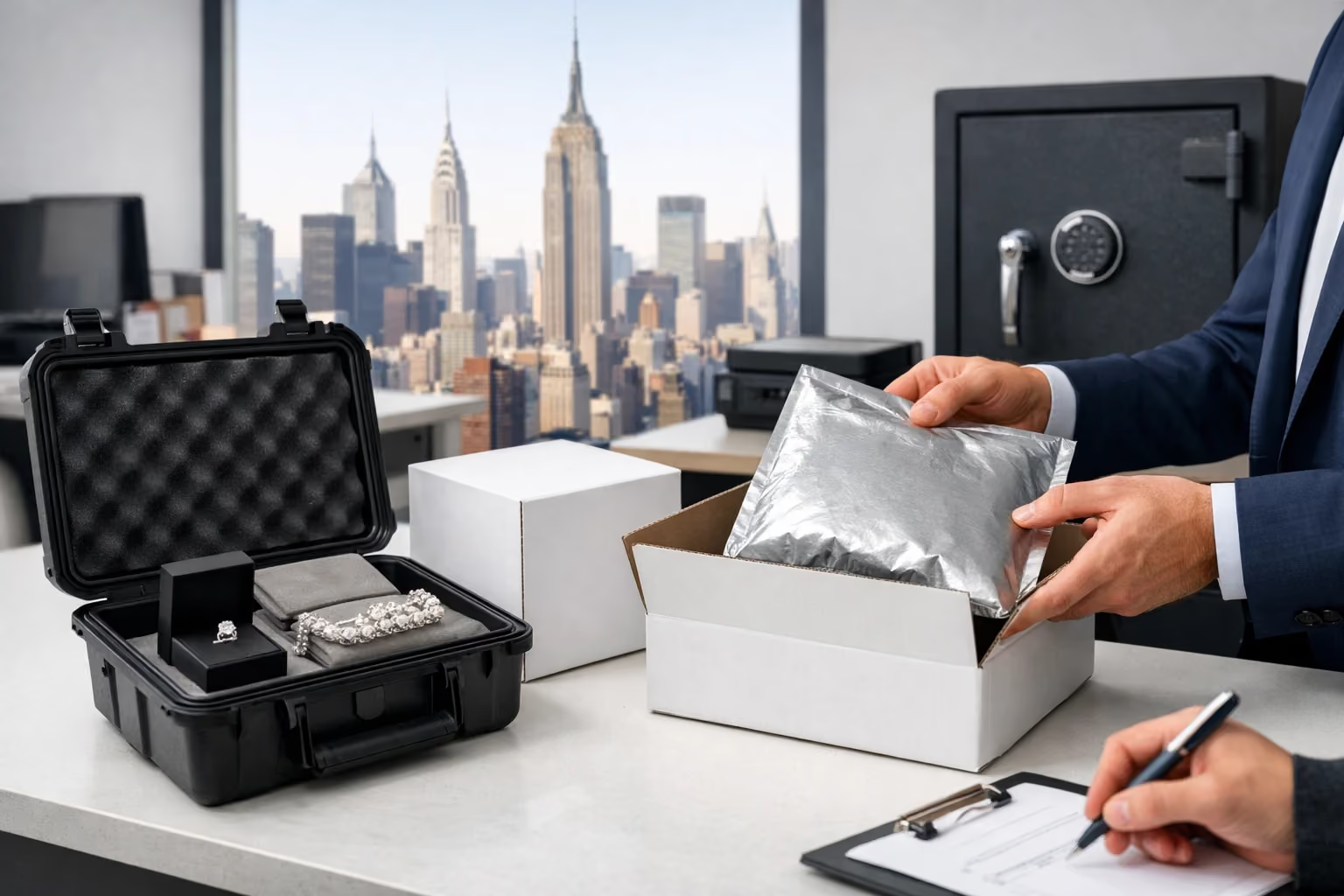

Why Diamonds Need More Than Standard Carrier Coverage
Carriers usually limit their liability for diamonds and other gemstones far below their real value, and they often restrict or exclude unmounted stones. A standard label can leave a very large gap between what a parcel is worth and what you would be paid.
A declared value is not the same thing as insurance. It states what you say the stones are worth, but the carrier's own limit can still decide what is paid. With full-value insurance, the declared value of the shipment is covered, up to $150,000 with Unival.
The diamond trade moves quickly and relies on trust, which makes written records and insurance more important, not less. Weights, counts and report numbers are what settle a question later.
What to Prepare for Each Type of Diamond Shipment
Different shipments carry different risks. This table shows what to focus on before you seal the package.
| Shipment | Main risk | What to prepare |
|---|---|---|
| Certified loose diamonds | Substitution or mix-ups | Grading report, inscription number, photos, sealed stone packet |
| Melee and parcels | Count and weight discrepancies | Weight and piece count before and after, itemized invoice |
| Rough diamonds | Value depends on documentation | Invoice, weight, Kimberley Process paperwork for international shipments |
| Memo and consignment stones | Value and ownership disputes | Itemized memo, declared value matching it |
| Stones sent for setting or grading | Stone outside your control | Written receipt of stone details, insure each leg |
On memo and consignment, the declared value should match the memo paperwork, and the return trip should be insured as its own shipment.
Shipping Diamonds From the 47th Street Diamond District
The Diamond District occupies West 47th Street between Fifth and Sixth Avenues in Midtown Manhattan. It is estimated to hold around 2,600 independent businesses, many of them working from dealing offices inside the district's exchange buildings, alongside manufacturers, setters, appraisers and gemological services. The Diamond Dealers Club is the trade's best-known association.
Typical diamond shipments from the district include:
- Polished stones sold to dealers and retailers in other cities
- Parcels sent to manufacturers and setters
- Stones sent to gemological laboratories for grading
- Memo goods returned after approval or trade shows
Unival is headquartered in the Los Angeles Jewelry District and insures and tracks shipments to and from New York. Read more about our secure transportation or see our overview of insured shipping in New York. If you ship finished pieces rather than stones, see insured jewelry shipping in New York.
Shipping Diamonds From New York Across the US and Abroad
Diamond dealers in New York trade with partners around the world. From New York we ship stones across the United States and internationally, using major carrier networks combined with Unival's own coverage and secure handling.
International diamond shipments need accurate customs paperwork. Rough diamonds need a Kimberley Process certificate, and the invoice for polished stones must match the declared value. Rules vary by country, so check the requirements before you ship.
What Affects the Cost of Insured Diamond Shipping?
The price has two parts: the shipping and the insurance on the declared value. Diamonds carry a high value for their size, so insurance usually follows the declared value more than the weight of the parcel. The shipping price depends on the destination, delivery speed and handling requirements.
We quote each shipment before it moves. Get a quote with the number of stones, the declared value, the pickup location and the destination.
How to Pack and Document Diamonds for Shipping
Good records prevent most claim disputes. Before you ship, check the following:
- Keep the invoice, grading report or appraisal for every stone.
- Record the weight and count of the stones before sealing, and note any inscription numbers.
- Photograph the stones and their reports.
- Place each stone or parcel in a sealed packet, then in a rigid inner box with a tamper-evident seal.
- Use a plain outer box with no mention of diamonds or jewelry.
- Include an itemized list, keep a copy, and ask the recipient to check weight and count on delivery.