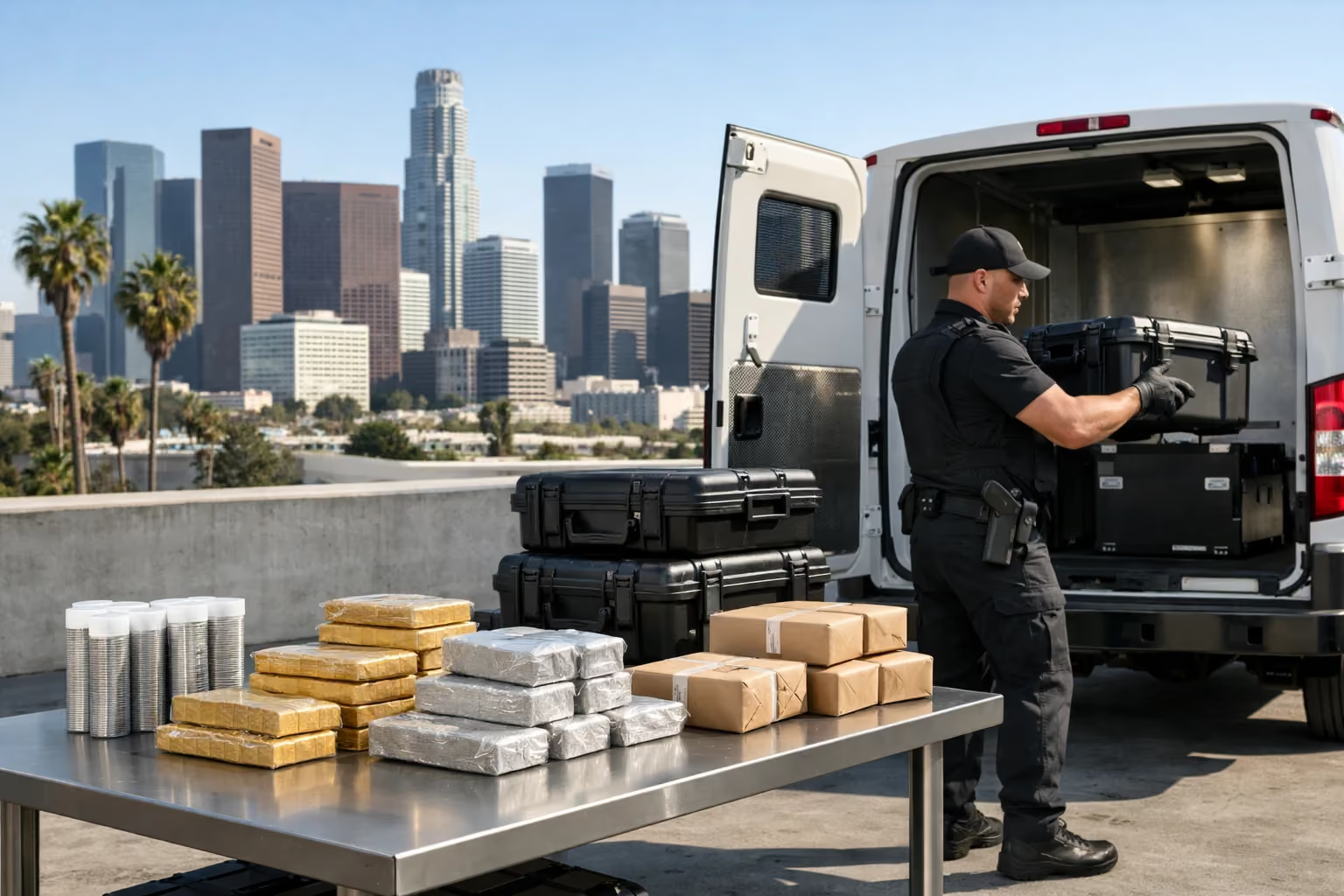

Why Precious Metals Need More Than Standard Carrier Coverage
Precious metals concentrate a lot of value in a small, heavy package, which makes them an attractive target and an expensive loss. Carriers usually limit their liability for precious metals well below market value, and they often add extra restrictions on top.
A declared value is not the same thing as insurance. It states what you say the shipment is worth, but the carrier's own limit can still decide what is paid. With full-value insurance, the declared value of the shipment is covered, up to $150,000 with Unival.
Metal prices also move daily, so declare the value on the day you ship to make sure the cover matches what the shipment is worth at that moment. Because metals reach high values quickly, contact us before you ship if your shipment is worth more than the coverage limit.
Gold, Silver, Platinum and Palladium: What to Prepare
Each metal and form carries its own considerations. This table shows what to focus on before you seal the package.
| Metal or form | Main consideration | What to prepare |
|---|---|---|
| Gold bars and coins | High value in a small package | Serial numbers, assay certificates, sealed original packaging |
| Silver bars and coins | Heavy for its value, so weight affects the price | Weight record, piece count, sealed cartons |
| Platinum and palladium | High value, often bars or industrial material | Purity record, weight, supplier or assay documents |
| Scrap and refined metal | Value depends on assay, so records matter | Weight before shipping, description of contents, custody paperwork |
| Casting grain, sheet and wire | Moving between suppliers and manufacturers | Itemized invoice, weight per item |
Value follows weight and purity, so record both before sealing the package. A difference between the weight you shipped and the weight received is the first thing to check on delivery.
Shipping Precious Metals From Downtown Los Angeles
Downtown Los Angeles is a major center for buying, selling and refining precious metals. Dozens of businesses in the area melt and refine gold, and buildings such as the St. Vincent Jewelry Center are home to hundreds of independent merchants, including jewelers, gold refiners and assayers.
Typical metal movements from the district include:
- Scrap and melted material sent to refiners and assayers
- Refined metal and casting stock delivered to manufacturers
- Bars and coins sold to buyers in other states
- Metal exchanged between dealers
Because so much value moves through the district, security matters to every business in it. Unival is headquartered in the same area, so pickups and questions are handled by a team based right there. Read more about our secure transportation.
If you ship finished pieces rather than metal, see our guide to insured jewelry shipping in Los Angeles. For other valuables, see our overview of insured shipping in Los Angeles.
What Affects the Cost of Insured Precious Metals Shipping?
Two things drive the price: the shipping and the insurance on the declared value. Insurance follows value, which moves with the metal price. Shipping depends on weight, destination, delivery speed and handling requirements.
Gold packs a lot of value into little weight, while silver is bulkier for its value, so the weight of a silver shipment often matters more to the total. We quote each shipment before it moves. Get a quote with the metal, its form, the declared value and the destination.
Documentation Checklist for Precious Metals Shipments
Good records prevent most claim disputes. Before you ship, check the following:
- Record the weight and purity of each item before sealing.
- Keep assay certificates, mint packaging and serial numbers with the shipment record.
- Photograph the items and the sealed package.
- Declare the current market value, not the price you paid.
- Use plain, sealed packaging with no mention of the contents on the outside.
- Include an itemized list, keep a copy, and check the weight on receipt.